Many teams have a weekly meeting that nobody enjoys. It begins late, wanders and ends with the same unclear feeling it began with. Others have no meeting, and find out on Thursday that two people have been doing the same job while a third task nobody owns is late.
A short weekly planning meeting solves both. It gives the team a shared picture of the week, a clear set of priorities and an owner for each thing. Done well, it takes half an hour and saves many hours of confusion.
Decide the purpose
A weekly meeting is for coordination. It is not for long discussions, training or detailed status reports. Say what it covers: what we did, what we will do, what is blocking us and what we need to decide. Anything else gets its own time.
Keep the group to the people who work together this week. If half the room has nothing to say, consider splitting.
Keep the rhythm
Same day, same time, same length. Start on time even if someone is missing, and end on time. A room that runs over trains people to arrive late. Use a call link or a room that is always the same.
For remote teams, ask people to turn on their cameras if they are comfortable, but do not insist. What matters is that everyone can speak.
Prepare in five minutes
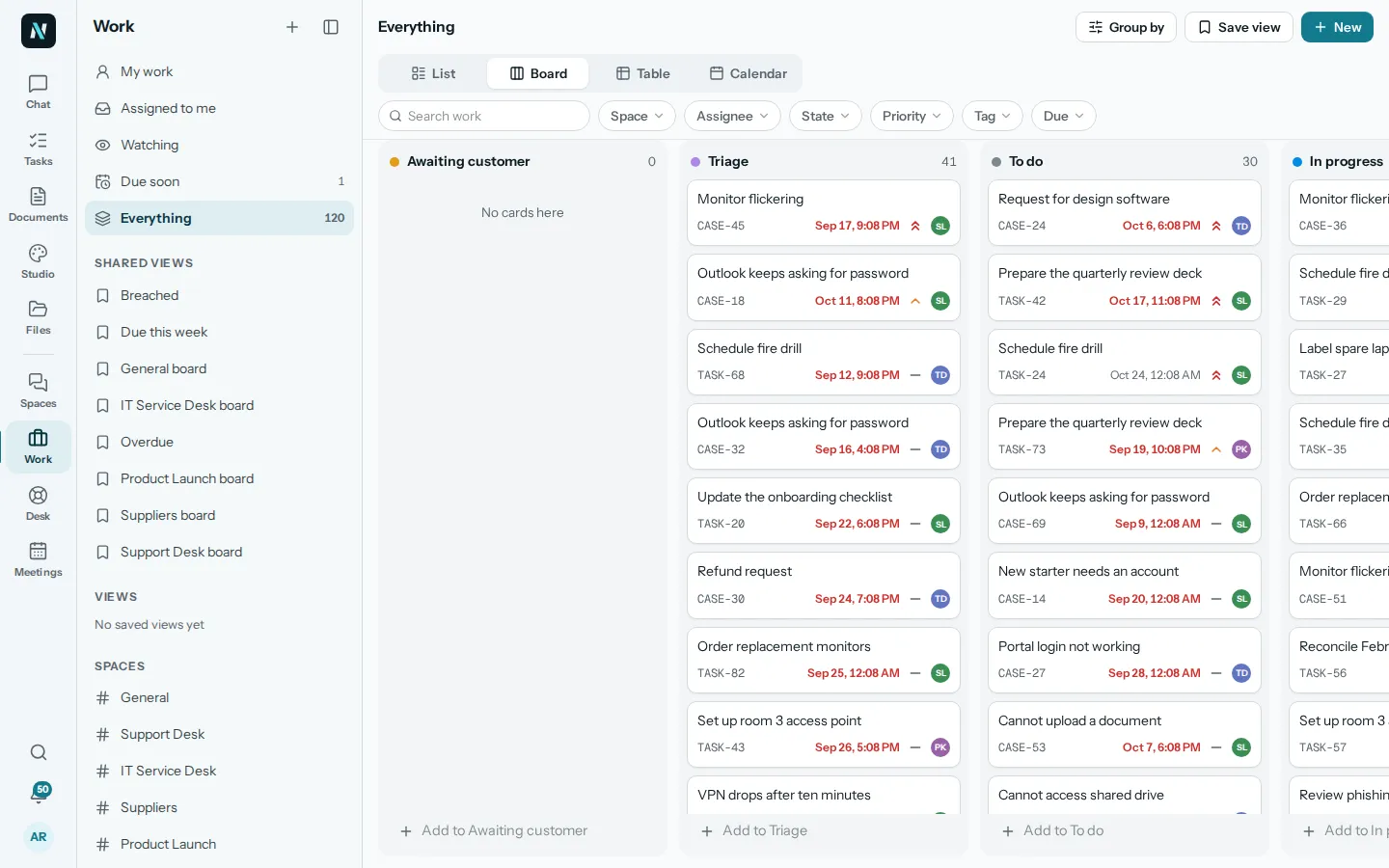
The person leading the meeting, who can rotate, looks at the list of tasks and projects before the meeting: what is due this week, what slipped, what is waiting. They write the agenda as a short list. Team members update their own tasks beforehand, so the meeting is not spent on "where are we with X?" questions that the list could answer.
A simple agenda for thirty minutes
- Wins and news (3 minutes). One good thing each, or one piece of news. It sets the tone.
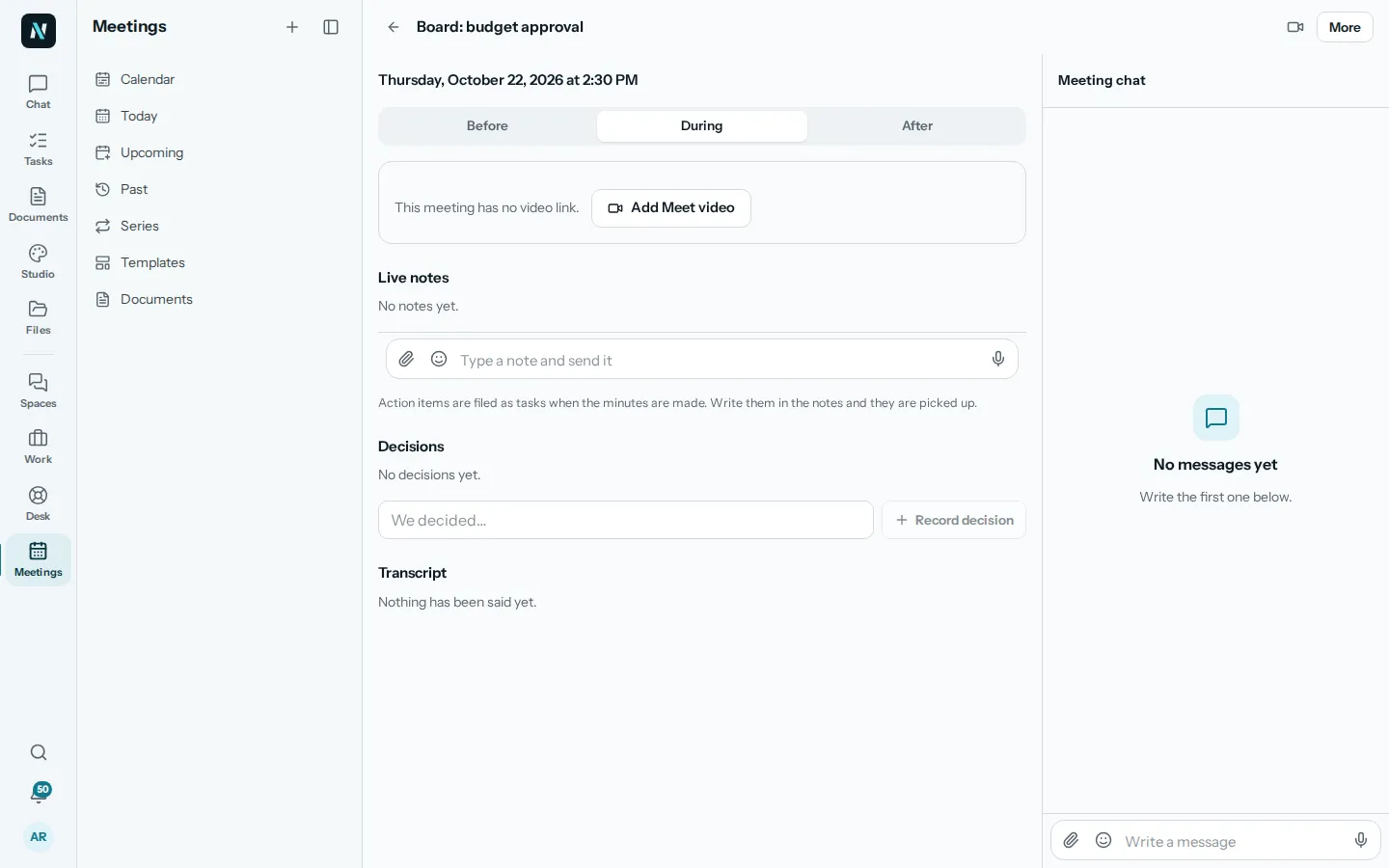
- Last week (5 minutes). What was due, what is done, what is not and why.
- This week's priorities (10 minutes). The three to five things that matter most. Who owns each, what done looks like, what could stop it.
- Blockers and help (7 minutes). Who needs something from whom? Agree who will help and by when.
- Decisions (3 minutes). Anything that needs a yes or no now.
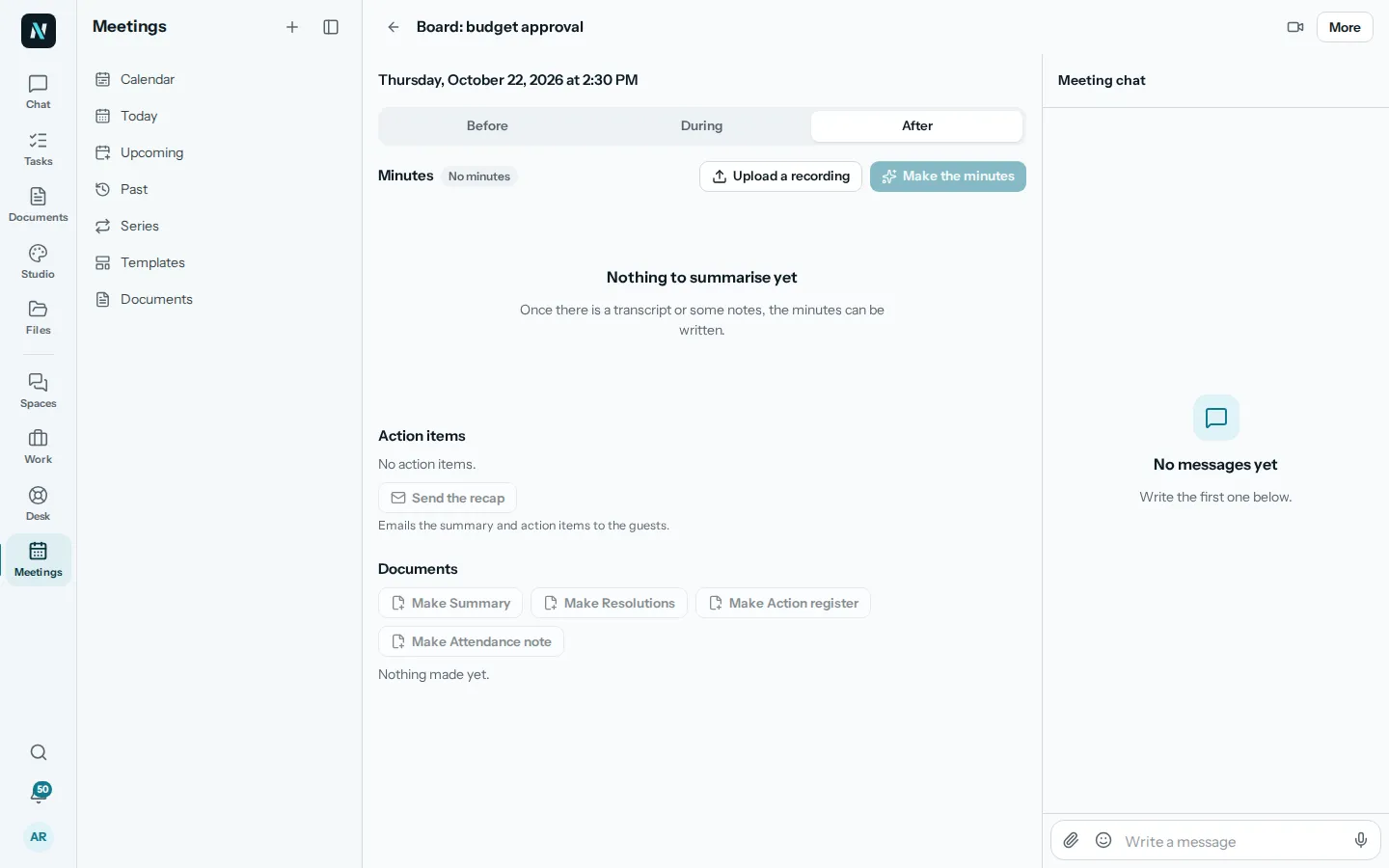
- Recap (2 minutes). Read back the actions.
If a topic needs more than a couple of minutes, write it down for a separate talk and move on. A "parking list" is the most useful tool a chair has.
Set few priorities
The week has limited hours. If you list twelve priorities, you have none. Ask: if only three things get done this week, which? Make them clear, with an owner each. Everything else is "if time allows".
Describe results, not activity. "Send the quotation to Green Valley" is clear. "Work on sales" is not.
Leave room for what is unplanned. Support requests and urgent jobs will arrive. A good rule is to plan around two thirds of the available time.
Name owners and dates
Every action has one owner, even if several people help, and a date. "We should update the price list" is not an action. "Dina updates the price list by Wednesday" is. Write them down during the meeting, in a place everyone can see.